
Facade Insulation: The Key to Energy Efficiency and Comfort
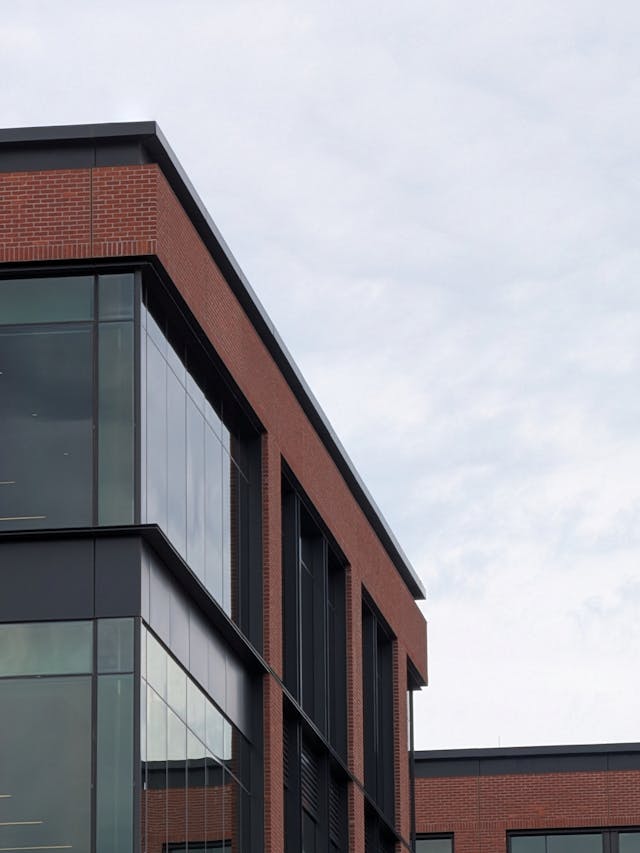
Insulation is one of the most cost-effective ways to improve a building’s energy performance. In façade systems, it acts as a thermal barrier, preventing unwanted heat transfer between the building's interior and exterior. Common insulation materials include mineral wool, PIR (polyisocyanurate), EPS (expanded polystyrene), and wood fibre. Each has different thermal conductivity, fire resistance, and environmental profiles. When installed properly, insulation reduces heating and cooling demands, leading to substantial energy savings. In fact, external wall insulation can cut heat loss by over 30% in older buildings. Besides thermal benefits, insulation improves acoustic performance and contributes to fire safety. Mineral wool, for example, is both sound-absorbent and non-combustible (Euroclass A1). Façade insulation can be installed behind rainscreen cladding, render systems, or brick slips. Key to performance is continuity—thermal bridges must be avoided around windows, balconies, and junctions. For new builds, rigid insulation boards offer high R-values in thinner profiles. In renovations, breathable insulation materials help regulate moisture and prevent condensation. With energy regulations tightening, high-performance insulation isn’t just a recommendation—it’s a requirement for responsible, long-lasting buildings.