
Rainscreen Cladding: Ventilated Façades for Maximum Protection
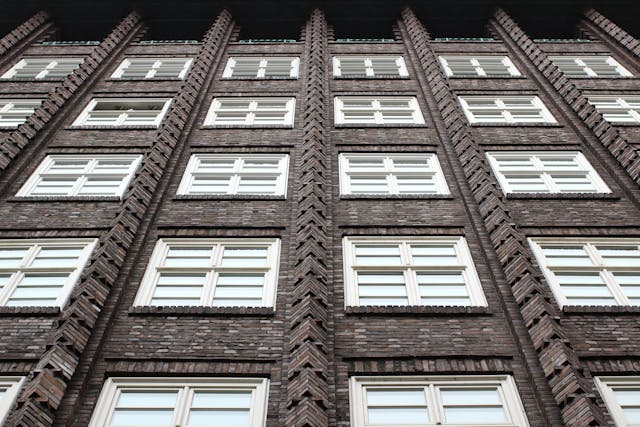
Rainscreen cladding is a high-performance façade system that includes a ventilated cavity between the exterior cladding material and the structural wall. This gap allows air to circulate and moisture to escape, significantly reducing the risk of water ingress, mold growth, and structural damage. This system not only safeguards the building from weather but also improves its thermal efficiency. In summer, the ventilated cavity helps dissipate heat; in winter, it acts as a buffer against cold air. This translates into lower energy bills and a more comfortable indoor environment. Rainscreen cladding supports a wide variety of exterior materials, such as metal, ceramic, composite panels, fibre cement, and timber. This flexibility allows architects and developers to achieve any aesthetic without compromising on performance. From a safety standpoint, modern rainscreen systems meet or exceed fire performance standards when combined with proper insulation and substructure systems. This is especially crucial for multi-storey buildings. Overall, rainscreen cladding offers long-term durability, low maintenance, and superior weather resistance. It’s a future-proof solution for modern construction, blending design freedom with engineering reliability.