
EPDM Membranes: Waterproofing Solutions for Facade Detailing
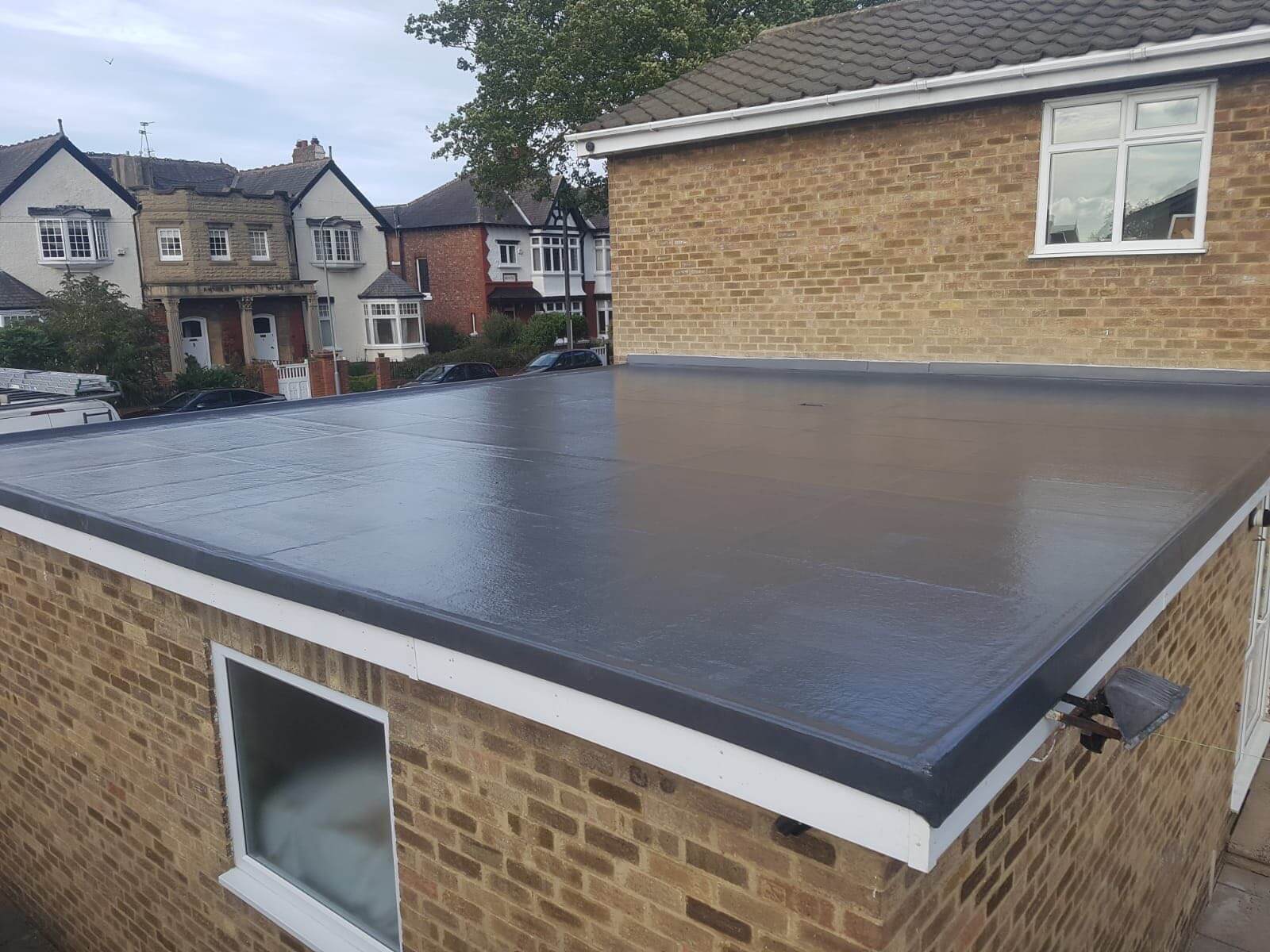
EPDM is a synthetic rubber material used widely in construction for waterproofing, weather sealing, and air-tightness. Its high flexibility, UV resistance, and long service life make it ideal for façade applications, especially around openings and detail junctions. In façade cladding systems, EPDM membranes are commonly used to seal between windows and structural openings, ensuring that water and air do not penetrate the building envelope. They are also used at slab edges, parapets, and between dissimilar materials. Key benefits of EPDM include: - Resistance to extreme temperatures (-40°C to +120°C) - Long service life (over 50 years) - High elasticity and movement accommodation - Compatibility with a variety of adhesives and substrates EPDM is installed as sheets, tapes, or pre-formed collars. Some systems use self-adhesive backing or contact adhesives for secure application. Once applied, it forms a continuous, flexible seal that adapts to structural movement. It’s also an environmentally responsible choice, as EPDM is recyclable and has low embodied carbon. Its performance and ease of installation have made it a trusted material in both residential and commercial façade detailing.